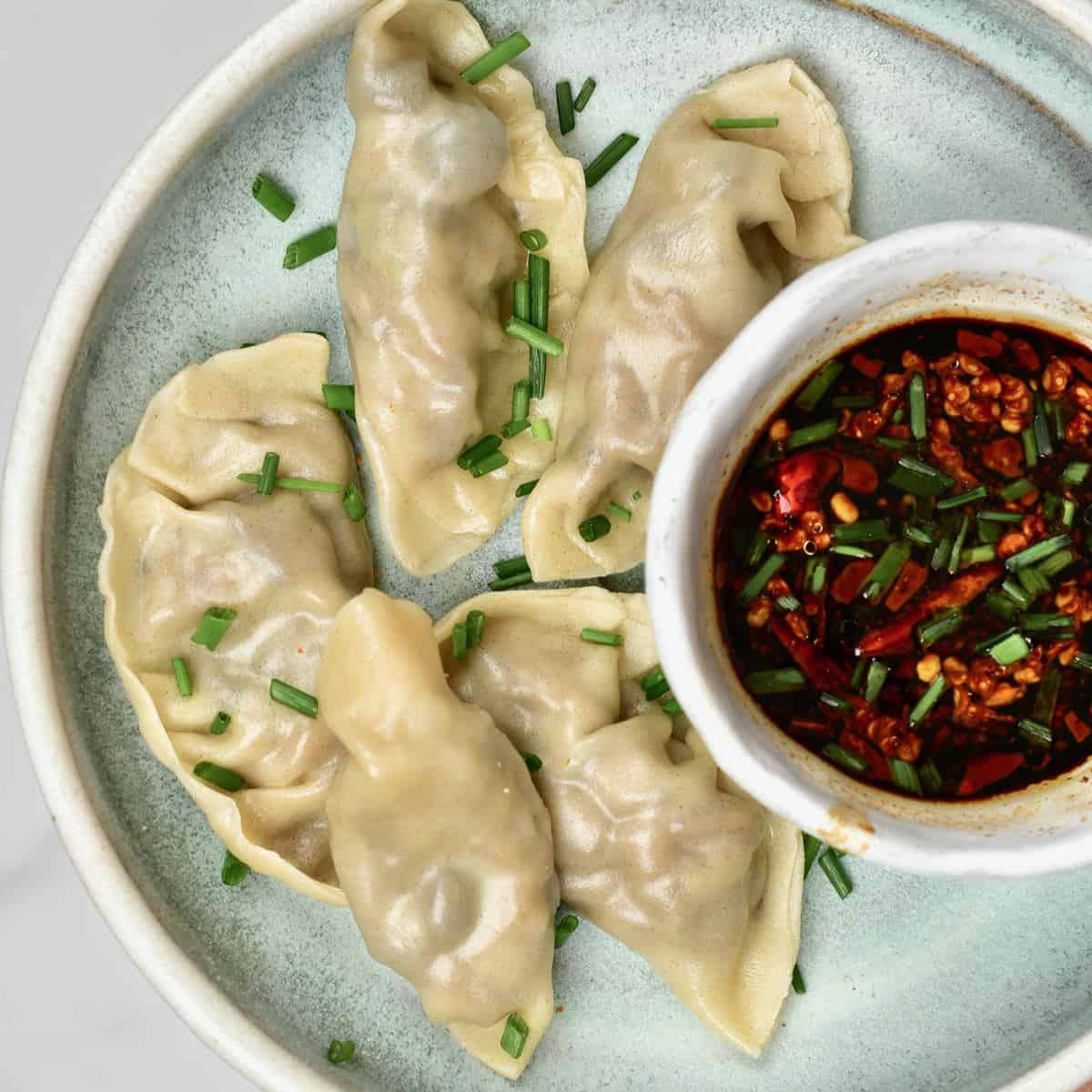
Unpacking the Terminology: Vegan Potstickers vs. Dumplings vs. Gyoza
Few culinary delights offer the comforting satisfaction and explosion of flavor quite like a perfectly crafted parcel of filling wrapped in delicate dough. Among these, Master Vegan Mushroom Dumplings: Steamed, Crispy Potstickers, gyoza, and their broader category, dumplings, hold a special place. Yet, for many home cooks and restaurant-goers, the precise distinctions between these terms can be a source of delicious confusion. While often used interchangeably, understanding the nuances can elevate your appreciation and culinary skills, especially when it comes to crafting savory steamed vegan mushroom dumplings potstickers.
What Defines a Dumpling?
At its core, a dumpling is a broad category of food that encompasses pieces of dough, often wrapped around a filling, and cooked by various methods such as boiling, steaming, frying, or baking. Think of pierogi, ravioli, momos, or even plain dough balls dropped into a stew – they are all, in essence, dumplings. This makes "dumpling" the umbrella term under which both potstickers and gyoza reside. A vegan mushroom dumpling, therefore, refers to any dough parcel filled with a plant-based mushroom mixture, prepared in virtually any manner.
The Potsticker Phenomenon: A Crispy Revelation
Potstickers, known in Mandarin as guotie (煎饺), are a specific type of Chinese dumpling characterized by their unique cooking method and, consequently, their signature texture. The legendary origin story tells of a chef who accidentally left his boiling dumplings unattended, causing the water to evaporate and the dumplings to stick and crisp up at the bottom of the pot – hence, "potstickers." This serendipitous mistake gave birth to a beloved dish. What sets potstickers apart is the two-step cooking process: they are first steamed in a pan with a small amount of water until the filling is cooked and the wrapper is tender, then the water evaporates, and the dumplings are pan-fried in oil until their undersides become beautifully golden and crisp. This creates a delightful contrast between a soft, chewy wrapper and a crunchy base, making them incredibly addictive. So, when you hear vegan mushroom potstickers, you're specifically referring to steamed vegan mushroom dumplings potstickers that have achieved that irresistible crispy bottom.
Gyoza: Japan's Beloved Counterpart
Gyoza are the Japanese version of potstickers, clearly influenced by their Chinese cousins. While the cooking method is remarkably similar – steamed and then pan-fried to achieve a crispy base – gyoza often feature a few subtle differences. Traditionally, gyoza tend to be slightly smaller and have thinner wrappers compared to Chinese potstickers. The fillings also typically showcase distinct Japanese flavor profiles, often including finely minced cabbage, garlic, ginger, and soy sauce, though mushroom fillings are increasingly popular for vegan versions. When you enjoy a vegan gyoza, you're essentially savoring a delicate, crispy-bottomed Japanese dumpling, perfectly mirroring the culinary ingenuity of potstickers.
The Magic of Vegan Mushroom Fillings
Beyond the wrapper and cooking method, the heart of any exceptional dumpling, potsticker, or gyoza lies in its filling. For those embracing a plant-based diet, mushrooms offer an unparalleled depth of flavor and texture, making them an ideal choice for steamed vegan mushroom dumplings potstickers.
Mushrooms are celebrated for their rich umami flavor – that savory, fifth taste sensation that brings a satisfying richness to dishes. Varieties like shiitake, cremini, oyster, or a blend of wild mushrooms can transform a simple filling into a gourmet experience. When finely chopped and sautéed, mushrooms develop a hearty, meaty texture that beautifully mimics traditional fillings, without any animal products.
A typical vegan mushroom dumpling filling might combine an array of ingredients to achieve balance and complexity:
- Mushrooms: The star! Shiitake provide intense umami, while cremini offer a milder, earthy flavor. A mix can create a more dynamic profile.
- Tofu or Tempeh: Crumbled or finely minced, these add protein and help bind the filling, offering a satisfying mouthfeel.
- Cabbage or Napa Cabbage: Provides crunch, moisture, and a subtle sweetness that balances the savory elements.
- Aromatics: Fresh ginger, garlic, and spring onions are indispensable for their pungent, aromatic punch.
- Seasonings: Soy sauce (or tamari for gluten-free), sesame oil, a touch of rice vinegar, and a pinch of sugar create that irresistible salty, savory, and slightly sweet balance.
The beauty of a homemade mushroom filling is its freshness and vibrancy, often surpassing takeout versions. Crafting your own allows you to control the quality of ingredients and fine-tune the flavors to your preference, resulting in Umami-Rich Vegan Mushroom Potstickers: Better Than Takeout.
Cooking Methods: Steamed Perfection vs. Crispy Delight
The chosen cooking method is arguably the most significant factor in distinguishing these delicious parcels. Whether you opt for tender or crispy, the technique profoundly impacts the final texture and eating experience.
Steaming for a Tender Bite
When you prepare steamed vegan mushroom dumplings, you are aiming for a soft, pliable, and slightly chewy wrapper that cradles a moist, flavorful filling. Steaming is a gentle cooking method that preserves the integrity of the ingredients and results in a lighter, often healthier, dish. The dumplings are typically arranged in a bamboo steamer basket or a steamer insert over simmering water, allowing the hot vapor to cook them through evenly. This method is perfect for showcasing the delicate flavors of the mushroom filling and the fresh texture of the wrapper.
Pan-Frying for That Signature Crispy Bottom (Potstickers & Gyoza)
To achieve the signature texture of potstickers and gyoza, a two-stage cooking process is employed:
- Steam: The dumplings are placed in a hot pan with a thin layer of oil, then water (or a thin flour-water slurry for extra crispiness) is added, and the pan is covered. The steam cooks the filling and wrapper from the top down.
- Sear: Once the water has evaporated, the lid is removed, and the dumplings continue to cook in the remaining oil. This final pan-frying stage is where the magic happens, developing that coveted golden-brown, irresistibly crispy bottom.
This dual method ensures the filling is thoroughly cooked and juicy, while the wrapper offers a fascinating textural journey from soft on top to delightfully crunchy underneath. It’s this textural contrast that truly defines steamed vegan mushroom dumplings potstickers and sets them apart.
Crafting Your Own Vegan Delights: Tips for Success
Making homemade vegan dumplings, potstickers, or gyoza can be a rewarding culinary adventure. Even if you're a beginner, a few practical tips can ensure delicious results every time.
Wrappers: Homemade vs. Store-Bought
The journey begins with the wrapper. While making homemade dumpling wrappers offers a fresh taste and allows for complete control over ingredients, high-quality store-bought wrappers are a fantastic, time-saving alternative. Look for fresh or frozen dumpling or gyoza wrappers in the refrigerated or freezer section of most Asian supermarkets. Wonton wrappers can also work in a pinch, though they tend to be thinner.
Pleating: Don't Stress Perfection
The art of pleating dumplings can seem daunting, but remember: practice makes perfect, and taste matters more than aesthetics. Even if your pleats are less than picture-perfect, the delicious filling inside will more than compensate. There are many simple folding techniques that don't require intricate pleating, like a basic half-moon or a simple crimp with a fork. Embrace the learning process, and soon you'll be pleating with confidence!
The Power of Dipping Sauce
No steamed vegan mushroom dumplings potstickers experience is complete without a complementary dipping sauce. A good sauce elevates the flavors, adding layers of salty, savory, spicy, and sweet notes. A basic sauce can be crafted from soy sauce, rice vinegar, a dash of sesame oil, minced garlic or ginger, and a pinch of chili flakes or sriracha for heat. Experiment with ingredients like mirin, brown sugar, or even a touch of orange zest to find your perfect balance.
Freezer-Friendly for Future Feasts
One of the greatest advantages of making homemade dumplings is their freezer-friendliness. Prepare a large batch, arrange the uncooked dumplings on a parchment-lined baking sheet so they don't touch, and freeze them until solid. Once frozen, transfer them to an airtight container or freezer bag. You can then cook them directly from frozen, making them a convenient, satisfying meal or snack whenever cravings hit.
Conclusion
Whether you call them dumplings, potstickers, or gyoza, these delightful parcels of flavor represent a universally loved culinary tradition. While the terms carry subtle differences, primarily in their cooking methods and regional origins, the joy of a well-made steamed vegan mushroom dumplings potstickers remains constant. From the umami-rich mushroom filling to the choice between a tender steamed wrapper or a crispy pan-fried bottom, making these at home is a rewarding experience that promises fresh, flavorful results often superior to takeout. So, gather your ingredients, embrace the process, and embark on your own delicious journey into the world of vegan dumplings!
